The evolution of fine ornamental jewelry
Crafting precious metals and selecting vibrant gemstones requires specialized technical precision. Master artisans transform raw elements into intricate pieces designed for lasting beauty, balance, and wearability.
Historical eras of adornment
The chronological evolution of precious adornments
Ancient civilizations utilized organic materials and native gold to signify status and cultural identity. As trade routes expanded, artisans gained access to exotic gems and developed complex metallurgy. The Renaissance period introduced intricate enameling, placing greater emphasis on artistic expression alongside displays of wealth. Later centuries witnessed the rise of industrial techniques, allowing intricate designs to reach broader audiences while preserving traditional bench skills.
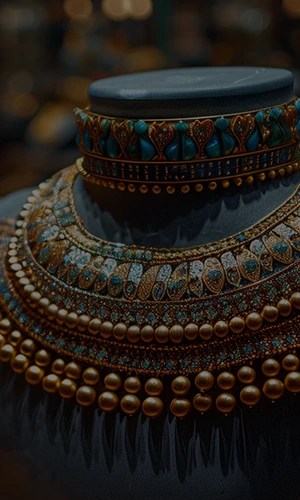
Ancient Egyptian artifacts
Ceremonial collars featuring lapis lazuli and faience.
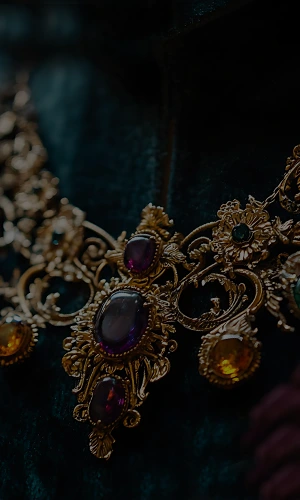
Renaissance metalwork techniques
Elaborate gold pendants showcasing detailed narrative scenes.

Victorian mourning pieces
Intricate woven hair combined with dark onyx.
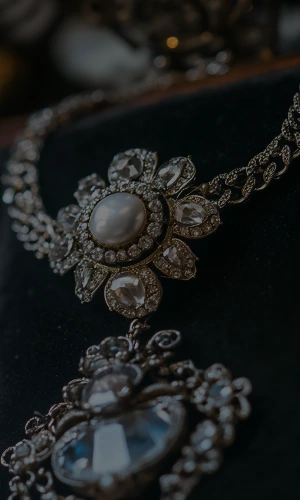
Edwardian platinum settings
Delicate openwork frames supporting brilliant cut diamonds.
Raw materials and gemology
The properties of gemstones and metals
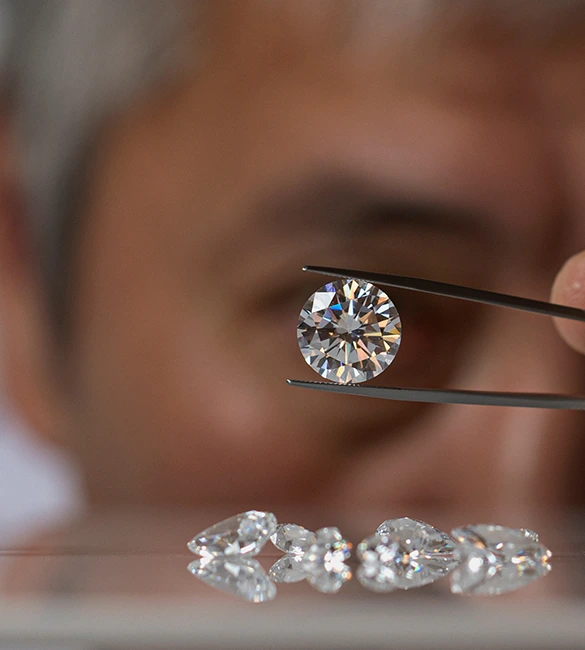
Deep within the earth, intense pressure and heat crystallize carbon into diamonds, while trace minerals create the rich hues of sapphires and rubies. Jewelers evaluate these stones based on clarity, cut precision, and natural color saturation. For settings, pure gold is frequently alloyed with copper or palladium to increase durability, produce distinct metal tones, and complement the visual character of mounted stones.
Aesthetic movements in design
Distinctive styles shaping the jewelry landscape
Geometric and natural inspirations
The symmetry of art deco geometry
Linear structures and contrasting color palettes
Following early twentieth-century architectural trends, designers abandoned flowing curves in favor of stark, mathematical precision. Platinum frameworks allowed for fine, structurally strong settings, accommodating calibrated colored stones cut specifically to fit complex mosaic patterns. Baguette and emerald cuts gained prominence, reinforcing a modernized, industrial aesthetic. The resulting pieces emphasized boldness and visual tension through strict symmetry and contrasts between dark onyx and bright crystalline surfaces.
Organic forms of art nouveau pieces
Drawing inspiration directly from the natural world, artisans crafted asymmetrical pieces mirroring vines, insects, and blooming flora. This movement prioritized artistic ingenuity over the intrinsic value of the raw materials, frequently incorporating iridescent opals, molded glass, and translucent plique-à-jour enamel. Flowing lines created a sense of movement, turning rigid metals into delicate, wind-swept silhouettes. Such creations required specialized casting methods capable of reproducing fragile botanical textures.
Modernist sculptural approaches
Contemporary minimalism and structural adornment concepts
Stripping away excessive ornamentation
The structure of prestigious jewelry ateliers
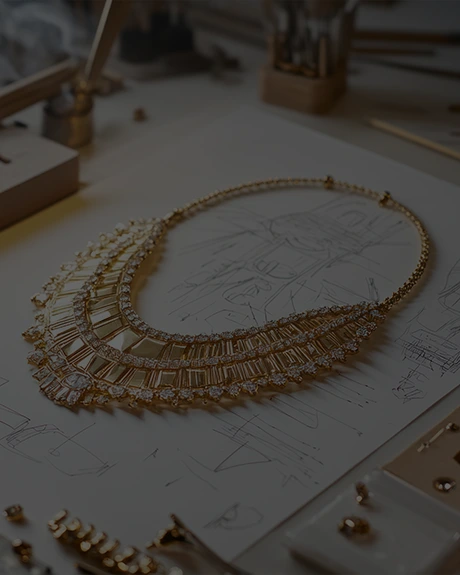
Generations of knowledge pass through specialized workshops where individual bench jewelers, setters, and polishers collaborate to translate initial sketches into a unified finished piece.
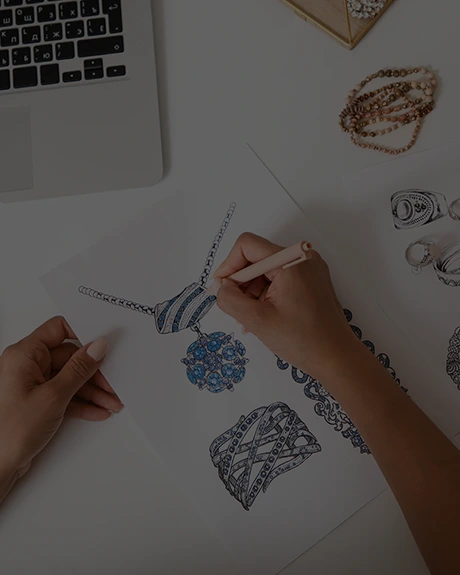
Initial conceptual design phase
Drafting detailed gouache paintings for client approval.
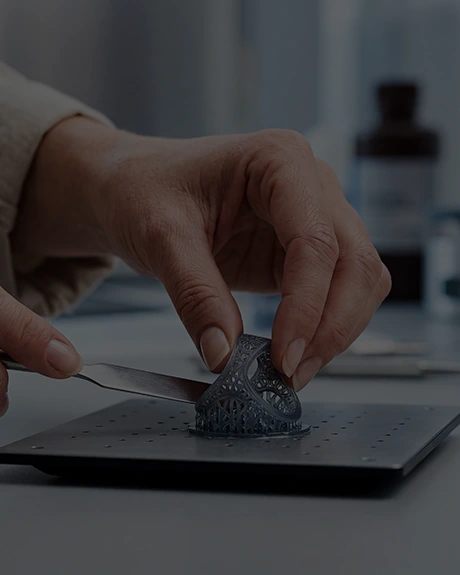
The master model maker
Carving intricate wax prototypes for casting processes.
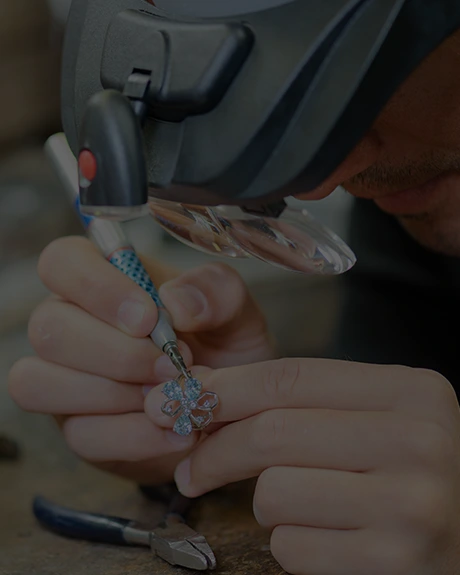
Specialized stone setting techniques
Securing fragile gems under high magnification microscopes.
Final polishing and finishing
Utilizing abrasive threads to smooth inaccessible crevices.
Precision at the bench
Fundamental techniques in fine jewelry craftsmanship
Transforming raw ingots into wearable architecture demands rigorous discipline. Artisans employ intense heat and specialized hand tools to shape, join, refine, and finish resistant materials into fluid, delicate forms.

Lost wax casting and metal pouring
Molten alloys fill plaster cavities, reproducing carved models with controlled dimensional precision.

Intricate wirework and delicate filigree shaping
Twisted threads of precious metal create lace-like filigree frameworks suited to intricate vintage-inspired designs.

Vitreous enameling and kiln firing methods
Powdered glass fuses to metallic surfaces, creating durable layers of color, surface detail, and texture.

Invisible gem setting and structural mounting
Grooved stones slide into hidden metallic rails, creating a continuous gem-set surface while concealing the supporting framework.